

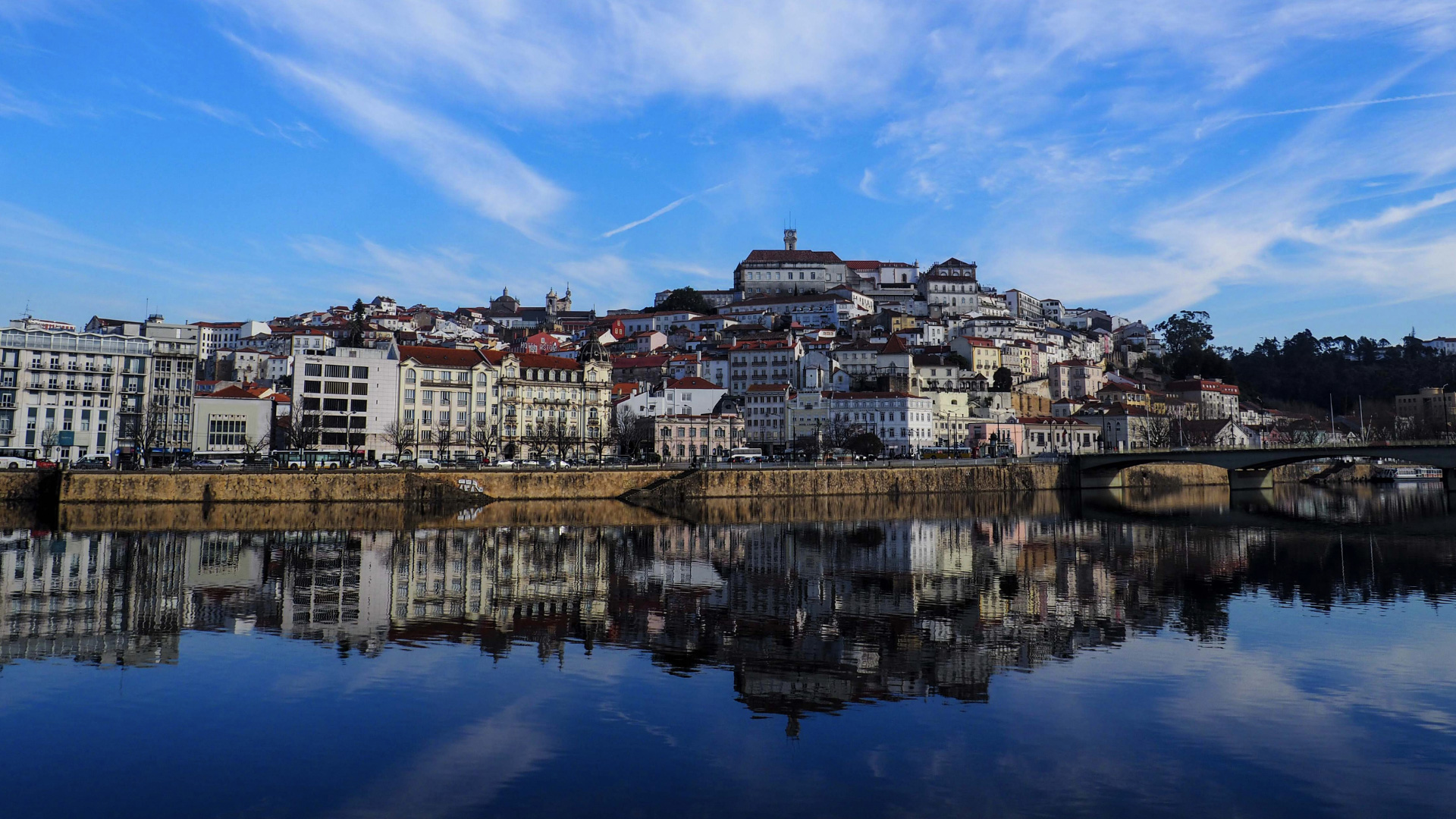
The adventure of being a Portuguese #Coimbra
On the banks of the Mondego River, rises a beautiful city soaked in history. It was the medieval capital of Portugal, home to the country’s oldest and most prestigious university. Its steeply graded historic center dates back to the Moorish times and has a distinctive atmosphere – with its dark cobbled streets and urban architecture. This is Coimbra, Portugal’s boundless source of science and history.
Table of Contents
Why visit Coimbra?
If “Coimbra is a lesson“, as a popular fado song says, Coimbra is above all a lesson in Portuguese history. Here are the graves of the first Portuguese kings – Afonso Henriques and Sancho I.
Throughout the city you will find landmarks left by those who built the nation. Be it the university annexes created by rei D. Dinis de Portugal or the monuments that commemorate every important achievement of the old capital of the kingdom, Coimbra is simply full of heritage from the past.
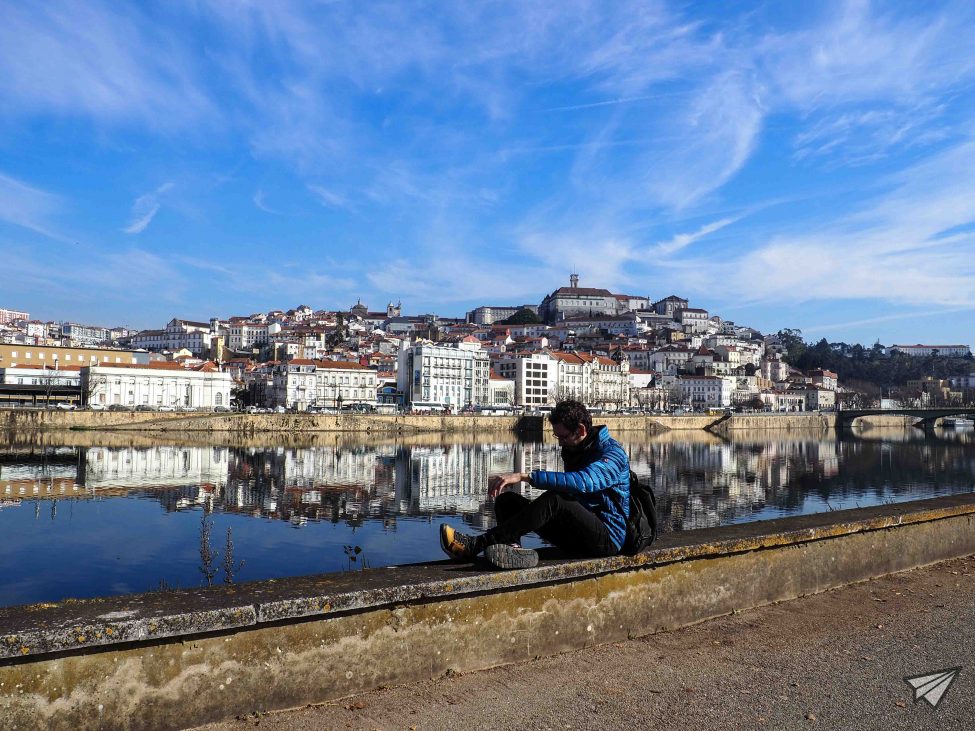
The city is without a doubt a lesson in tradition and love for Portuguese culture. There is no other Portuguese place like Coimbra in terms of the academic tradition that is present in the daily life of students. In Queima das Fitas, students celebrate the most anticipated event of the year. The bells that regulated academic life from the 16th century still ring in the University Tower, reminding us that this is first and foremost a university town.
But why you should visit Coimbra and what are the must-see sights in this Portuguese idyll, you will find out in the following paragraphs.
Universidade de Coimbra
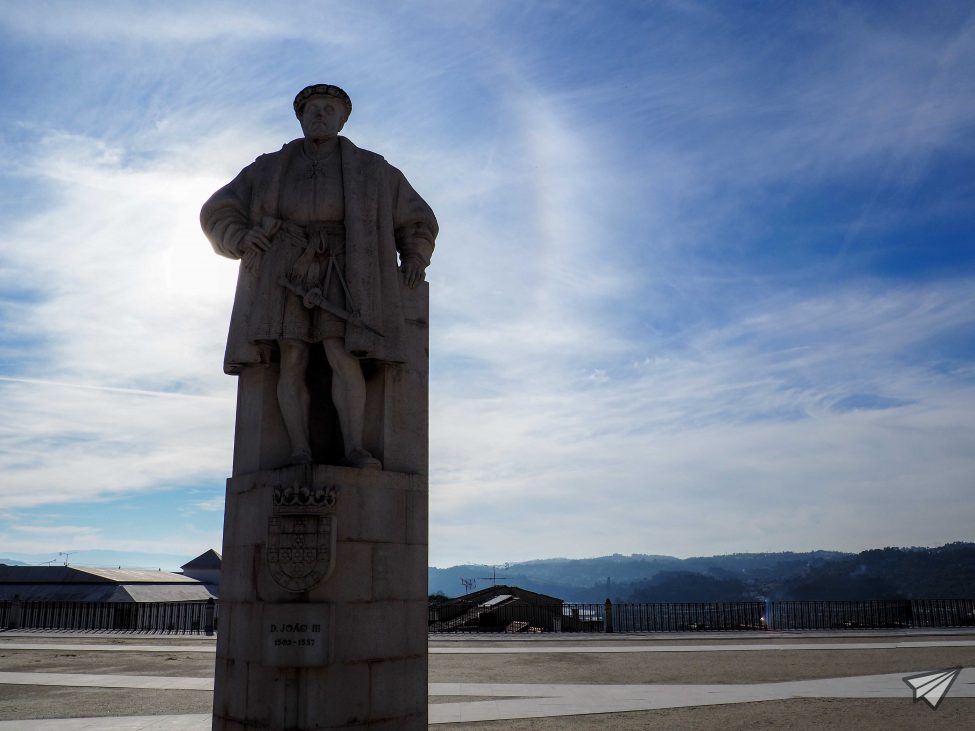
The University of Coimbra was founded in 1290 and is one of the oldest in Europe, and is also classified as a UNESCO World Heritage Site. Founded by Dom Dinis, under the name “Estudos Gerais” (translated General Studies), the university was moved between Lisbon and Coimbra during the reign of several monarchs until it was finally established by Dom João III in that city in 1537. Since then, the university has continued to occupy the same building, namely in the former medieval royal palace, acquired by the university in 1597 from Philip II of Spain.
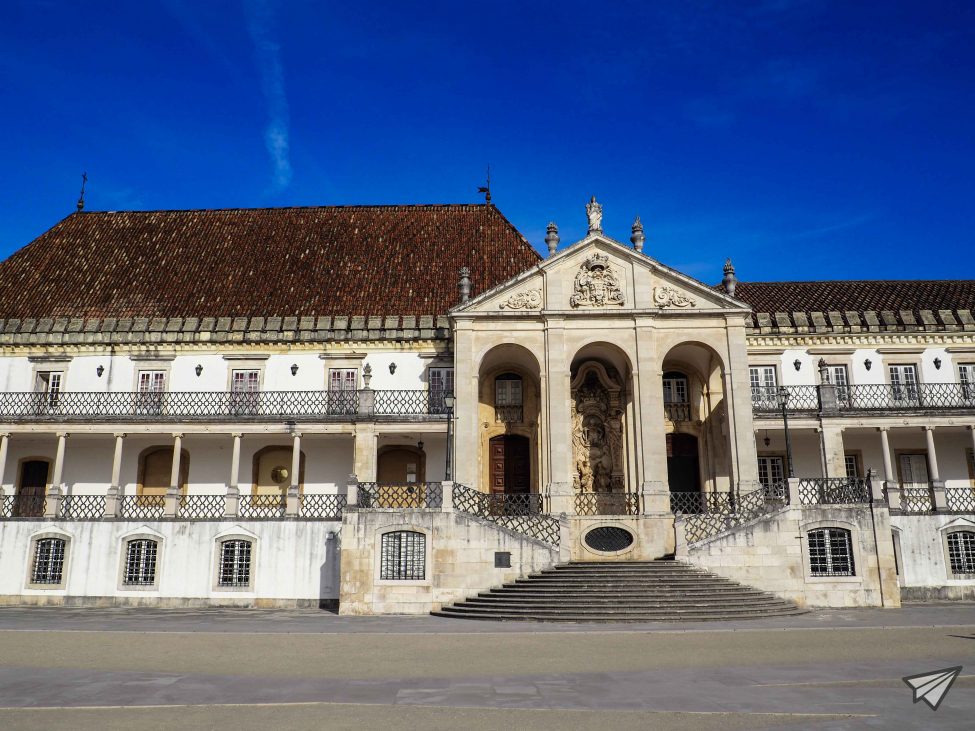
Standing on one of the highest points in Coimbra, the university overlooks the rest of the city and the Mondego River. The academic building has a complex and impressive architecture, which is built around a central courtyard, in which a number of features related to artistry and symbolism stand out.
Biblioteca Joanina
In close proximity to the university is the Biblioteca Joanina. It is considered one of the richest baroque libraries in Europe. It was built between 1717 and 1728 to house the impressive collection of over 300,000 volumes from the 19th century.
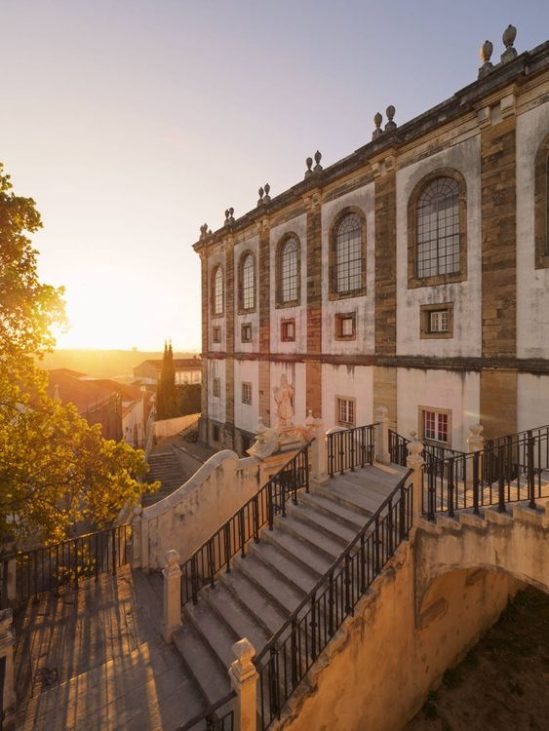
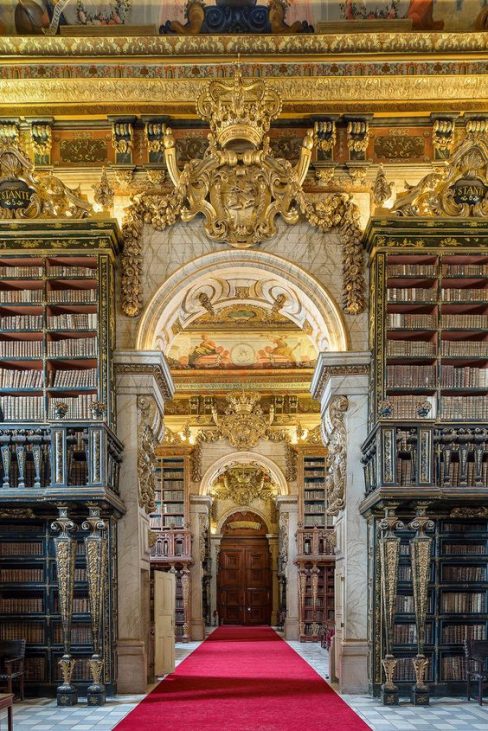
The library has three rooms that nobly reflect the patronage spirit of its founder João V de Portugal, decorated in gold on a green, red and black background. The coat of arms of the monarch welcomes visitors to the grand portico at the entrance.
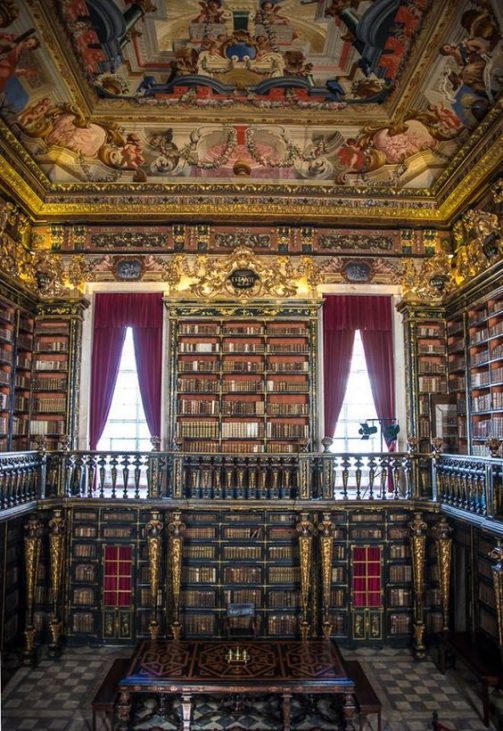
Inside, the walls are lined with massive shelves of exotic wood, composed of two units separated by a balcony supported by columns. On the main floor there are 3 rooms, separated from each other by arches identical to the outer door, bearing the insignia of the former faculties of the university. The ceilings were painted in trompe l’oeil by António Simões Ribeiro and Vicente Nunes to create the illusion of greater height.
Interesting fact: In the library, bats are regularly released at night to protect the books from insects and other pests that got inside during the day.
Useful information:
Work time:
Every day from 09:00 – 19:00;
Tickets:
For ages 19 – 64 the ticket is: 12.50 euros
For over 65+ the ticket is: 10.00 euros
For students it is: 10.00 euros
For young people between 13 – 17 is: 6.25 euros;
Duration:
40 minutes;
Photography is prohibited inside.;
Museu da Ciência da Universidade de Coimbra
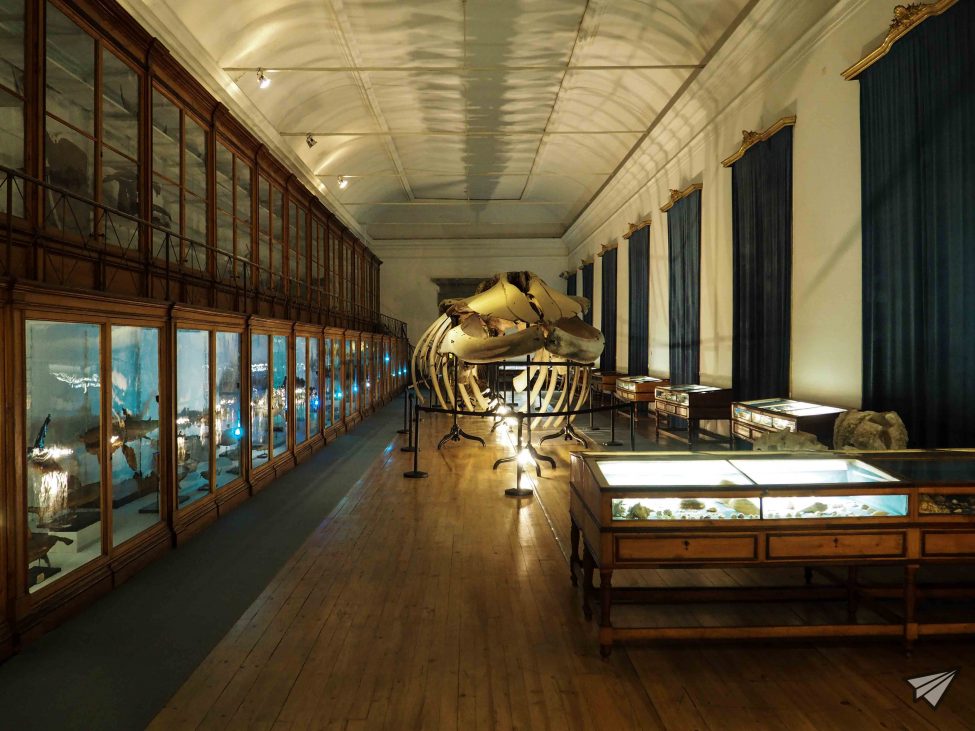
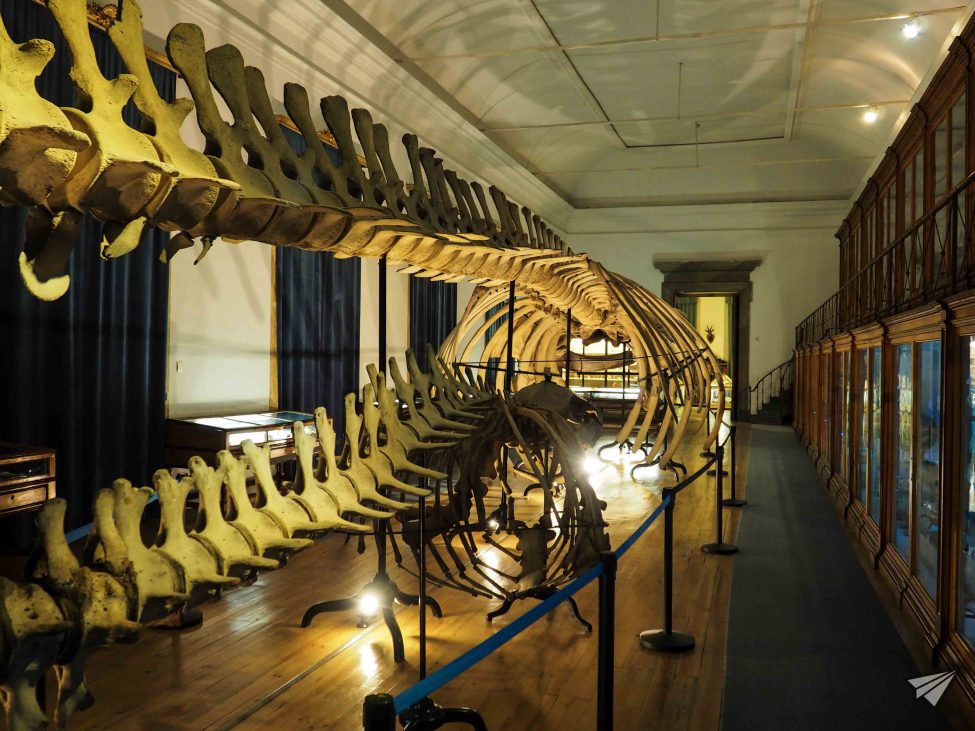
The Science Museum brings together the historical scientific collections of several units of the University of Coimbra, which in 2007 merged into the current museum building. The collections that can be seen today include: the 18th and 19th century scientific instruments of the Physical Museum, the botany, zoology, anthropology and mineralogy collections of the Natural History Museum and the collections of the Astronomical Observatory and the Geophysical Institute.
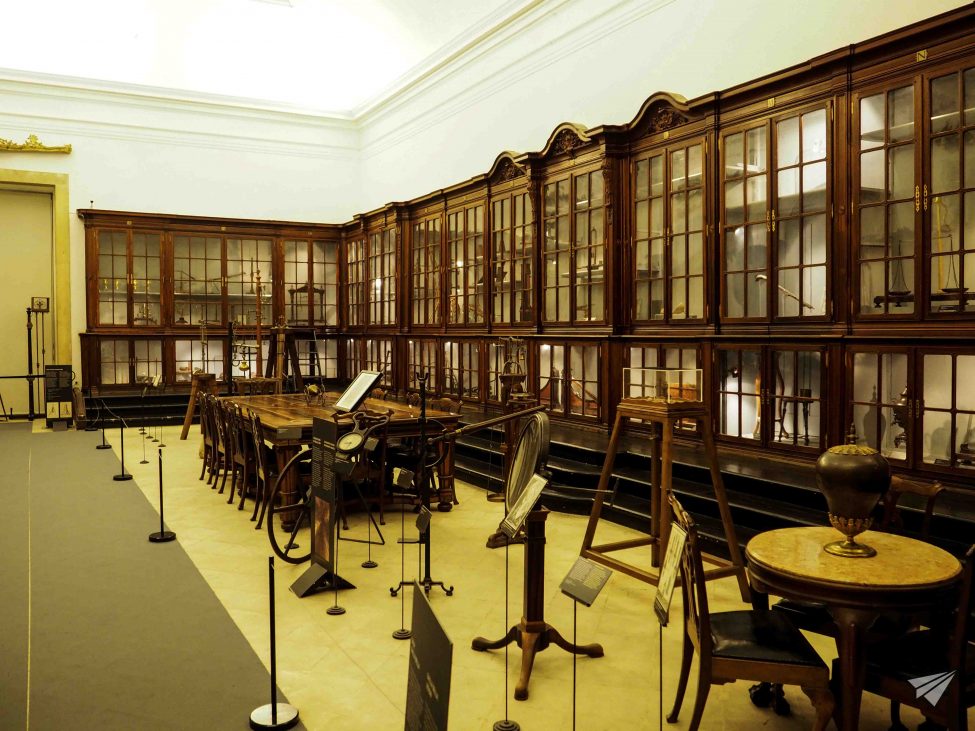
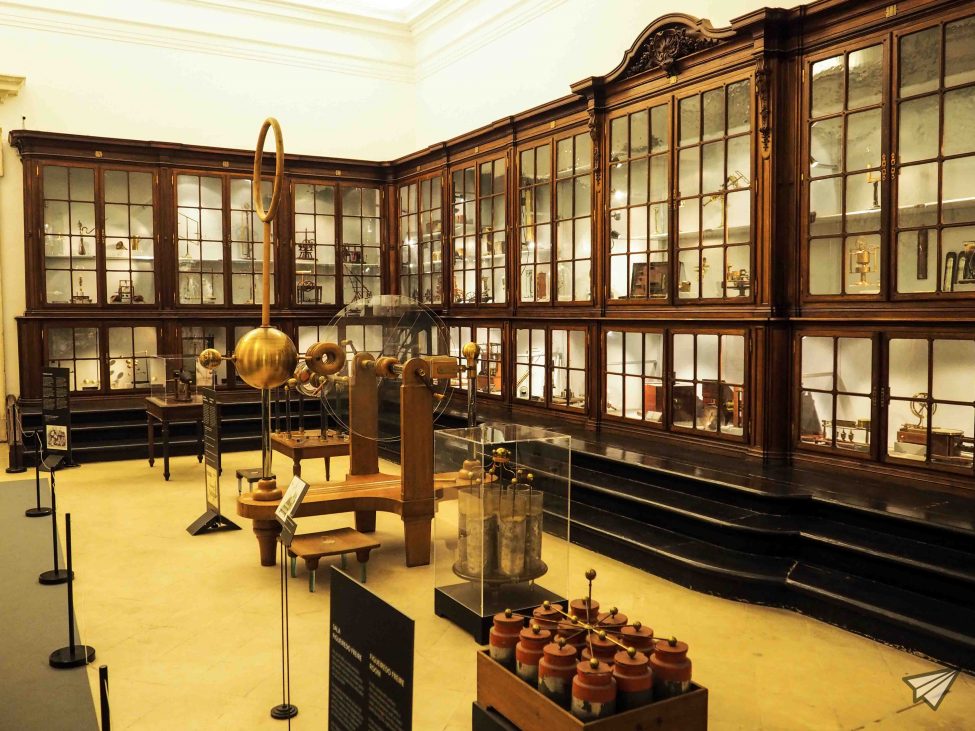
Most of these collections date from the reform of the university promoted by the Marquês de Pombal in 1772, where the teaching of the sciences gained great importance, and are housed in the modern buildings of the 18th century. This represents the most important scientific collection in Portugal and one of the most important in Europe.
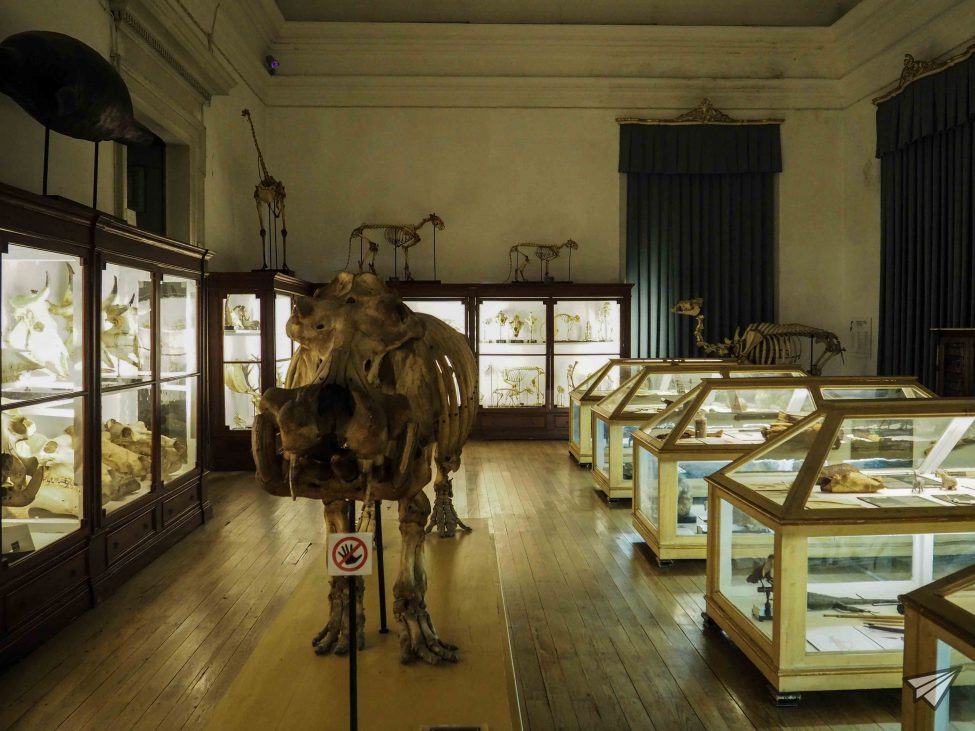
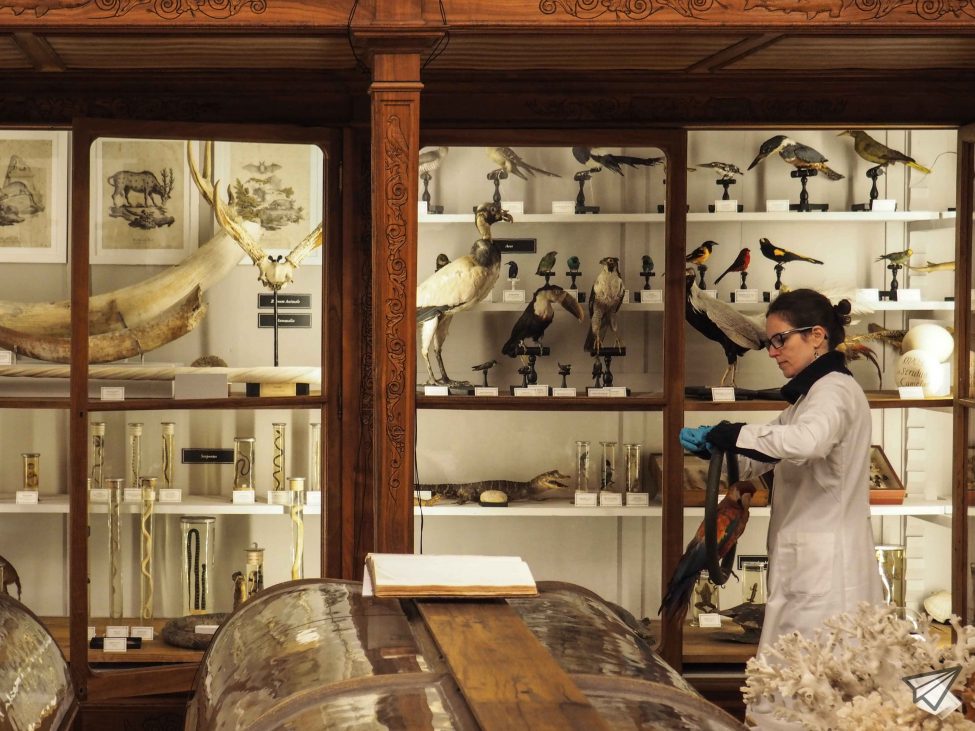
The museum aims to be a modern and interactive science venue that presents visitors of all ages with a fun environment in which to discover science. In addition to showcasing the university’s collections of scientific objects and instruments, the museum also offers a series of exciting exhibits and hands-on experiments.
Useful information:
Work time:
Every day from 10:00 – 13:00 and 14:00 – 19:00;
Tickets:
Price of normal tickets: 5 euros
For over 65+ and students the ticket is: 3.50 euros
For adolescents aged 13 to 18 it is: 2.50 euros;
Duration:
1 hour;
Mosteiro de Santa Clara-a-Velha
The Mosteiro de Santa Clara was built in 1314 by order of the rainha Saint Isabel of Aragon, on the site of a small convent from 1286 of nuns of the Order of the Holy. The building was completed in 1330 and was designed by architect Domingos Domingues. This monastery is a fine example of the architecture of this period, notable for the size of the church and cloister and the stone vault that covers the three naves of equal size.
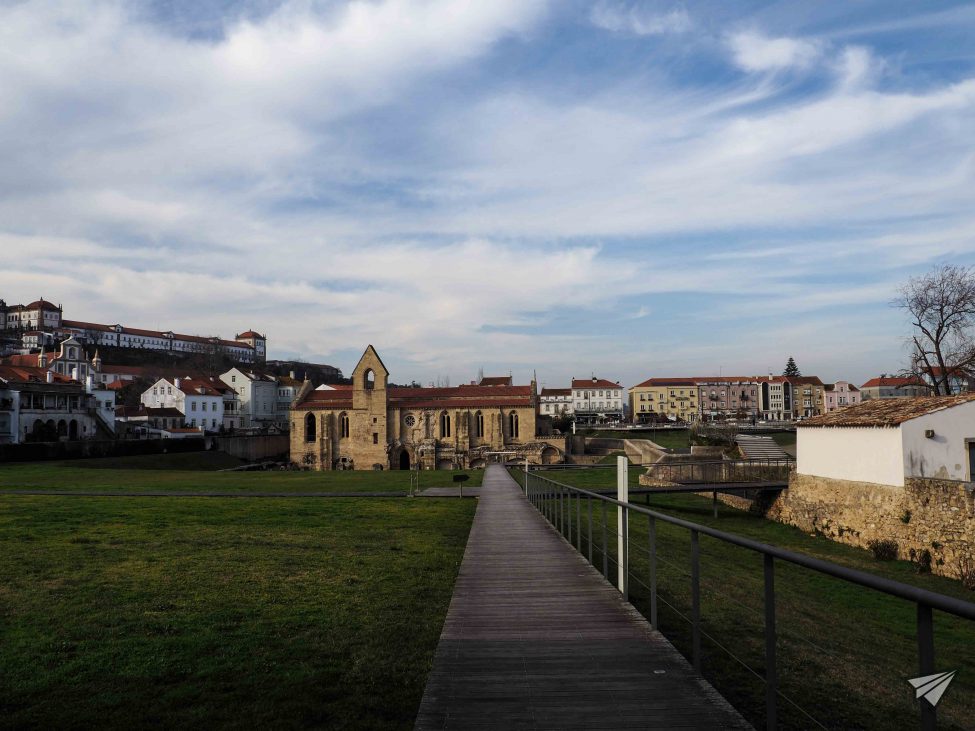
Due to its location at the banks of the Mondego River, the monastery was subject to frequent floods, which led to the construction of an upper floor and the abandonment of the almost permanently submerged ground floor. In the 17th century, King Dom João IV ordered the construction of a new monastery on a high place in the city. This new convent was named Santa Clara-a-Nova and the nuns moved there in 1677. The original convent, which became known as Mosteiro de Santa Clara-a-Velha, was abandoned and left to its own devices
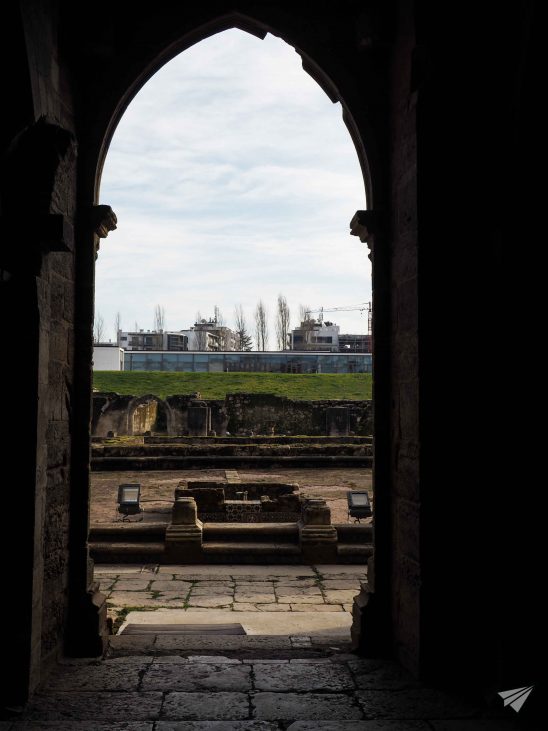
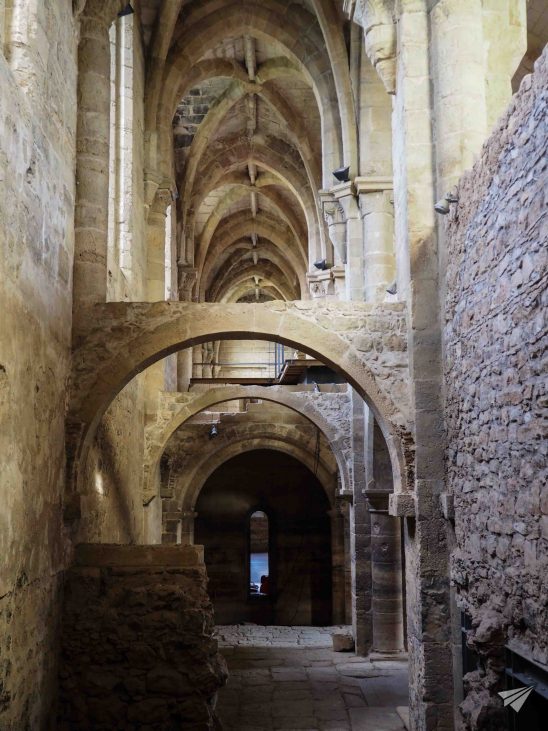
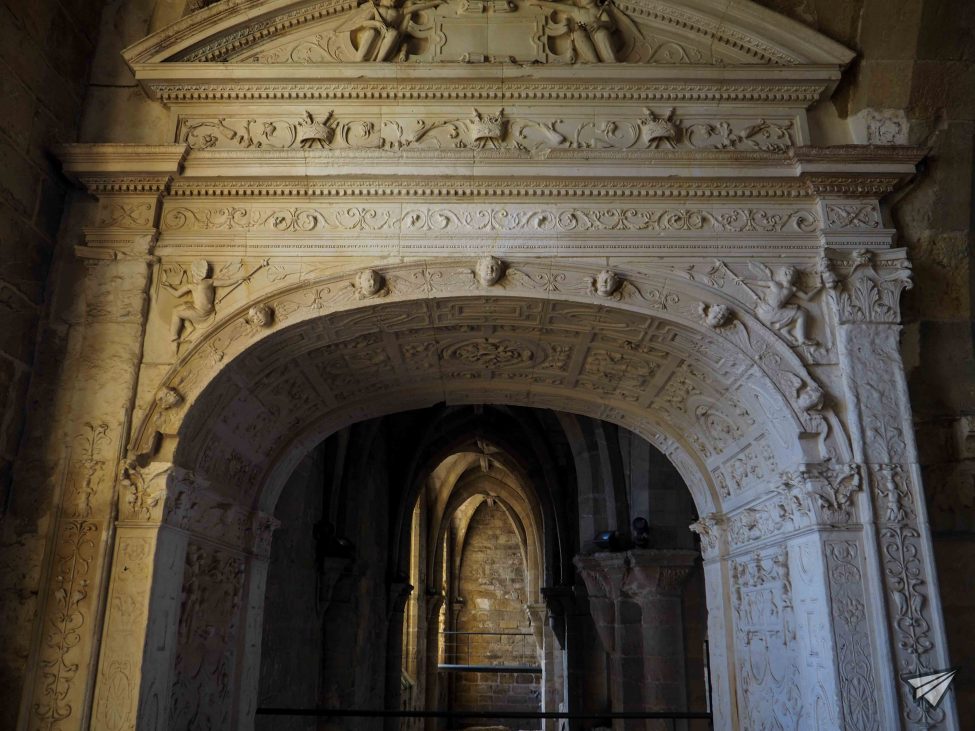
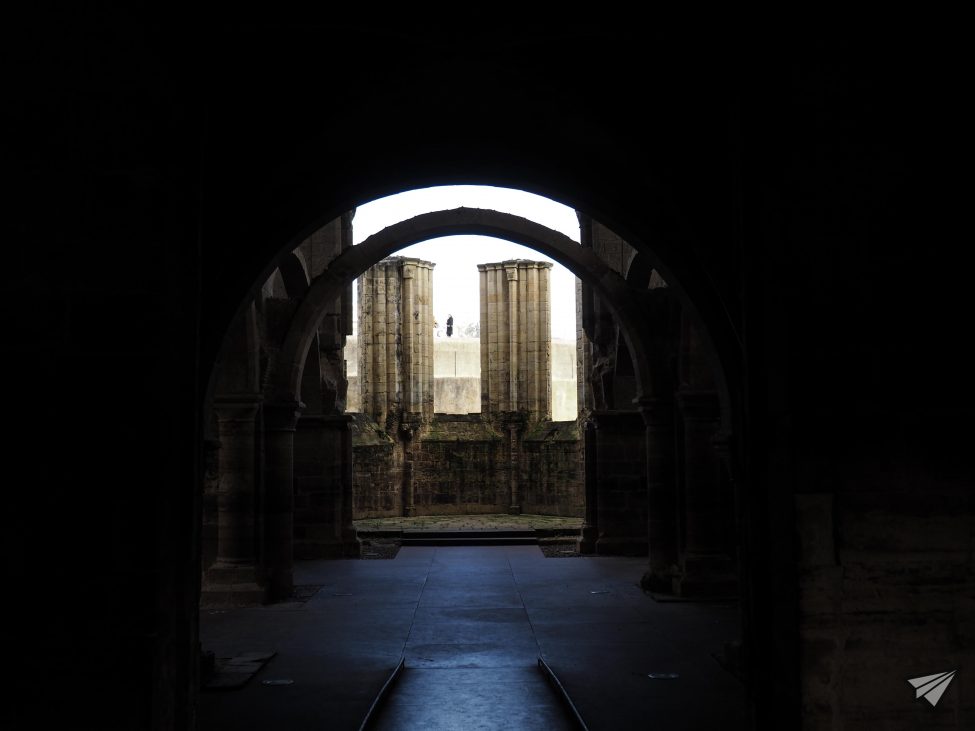
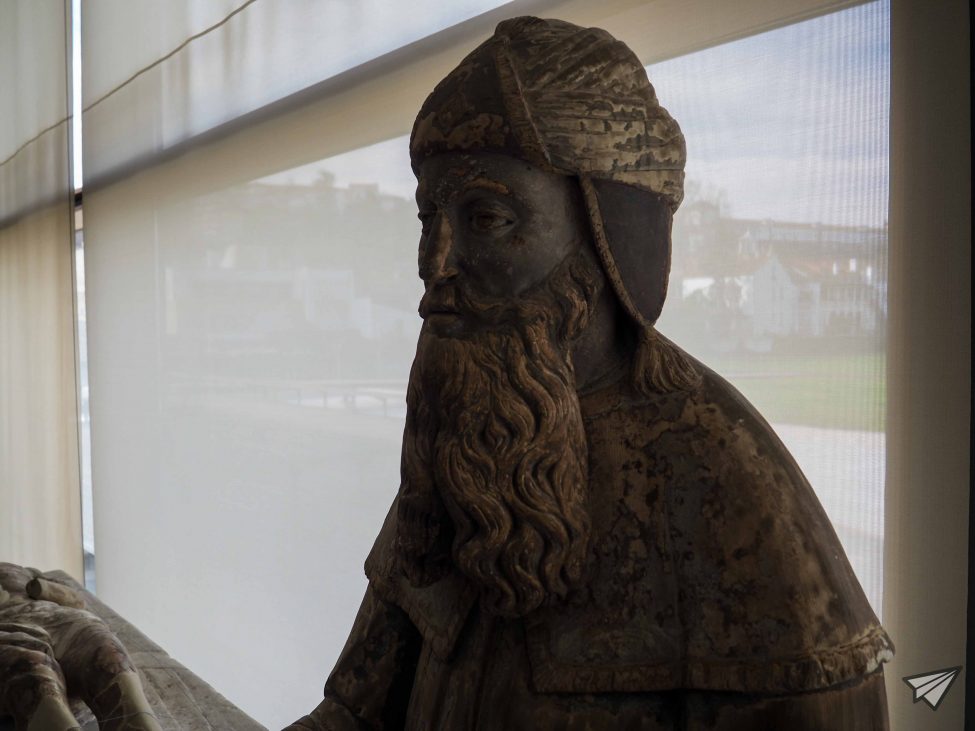
At the end of the 20th century, the building of the old original monastery underwent a thorough restoration, which revealed the original structures and subsequently led to the discovery of a rich variety of treasures. Now open to the public again, the monastery offers visitors a spacious outdoor recreation area on a tour that includes the church and restored archaeological structures. In the Visitor Center, in addition to the exhibition of the objects found here, arranged according to their importance in the life of the monastery, audiovisual media are used to present the history of the site and its restoration.
Useful information:
Work time:
From April 1 to October 14
Tuesday to Sunday from 10:00 – 18:00
From October 15 to March 31
Tuesday to Sunday from 09:00 – 17:00;
Tickets:
Price of normal tickets: 4 euros
For over 65+ and students the ticket is: 2 euros
Duration:
1 hour;
Jardim Botânico da Universidade de Coimbra
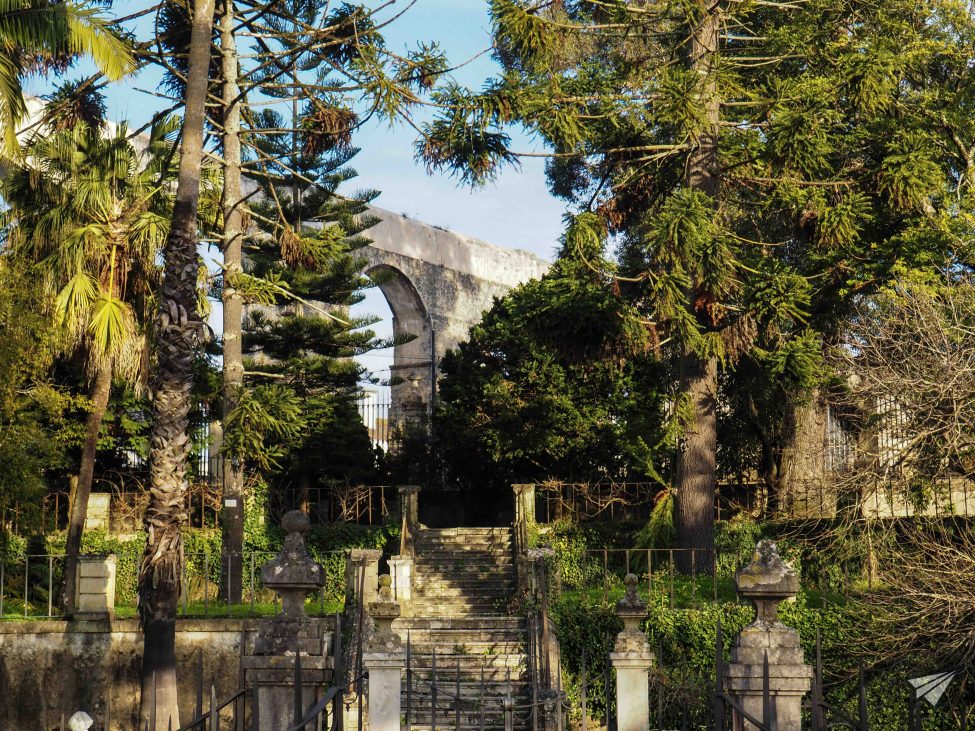
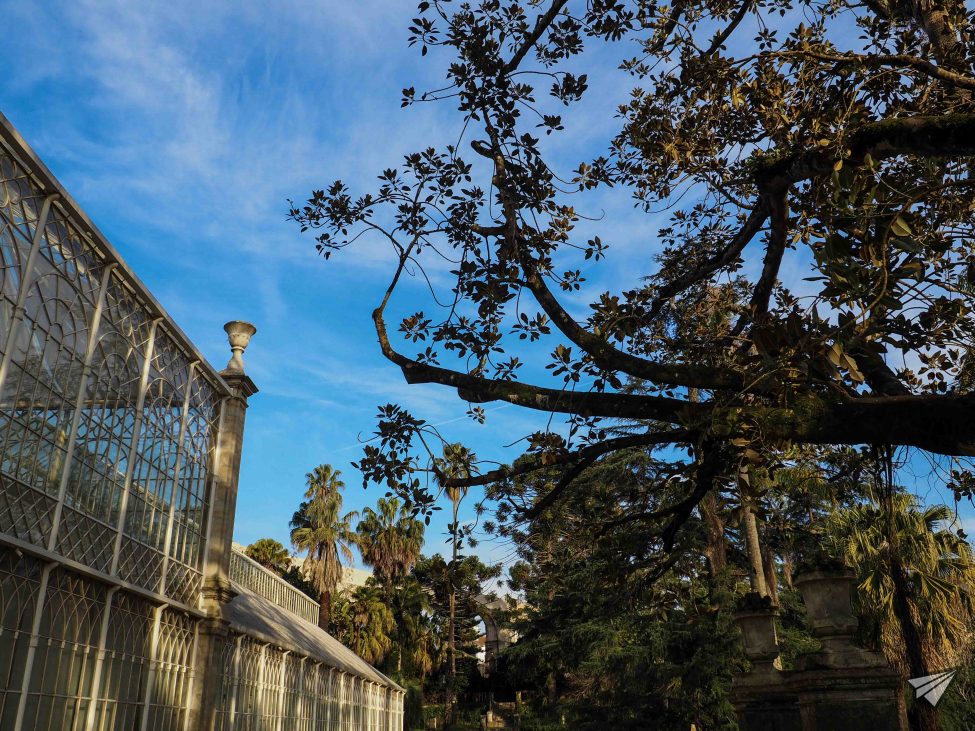
Visiting the Botanical Gardens is like traveling the world without stepping outside the city. The collections of plants that occupy every corner of the garden take us on a journey to different latitudes and regions of the world, thus turning the garden into a living museum. Located in the heart of Coimbra since 1772, when it was founded by the Marquis of Pombal, the Botanical Garden covers a total area of 13 ha. land, most of which was donated by Benedictine monks.
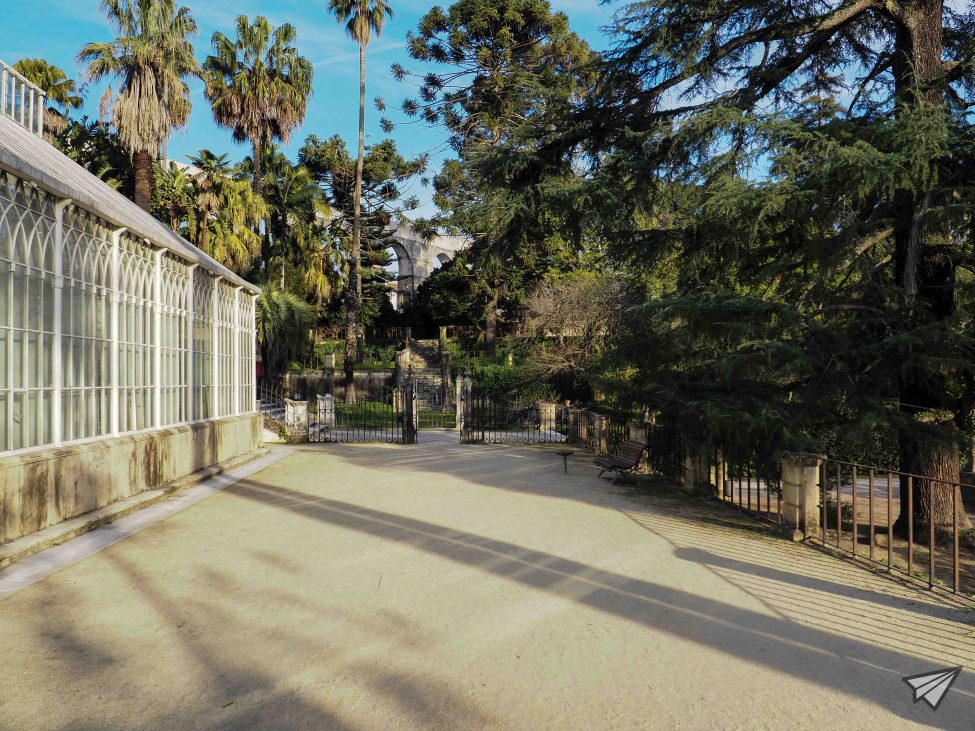
These days, the venue supports the development of environmental and cultural programs, raising awareness of environmental issues and promoting civic engagement. The garden provides a calm and welcoming atmosphere, full of secret corners ready to be discovered.
Useful information:
Free admission;
Miradouro do Penedo da Saudade
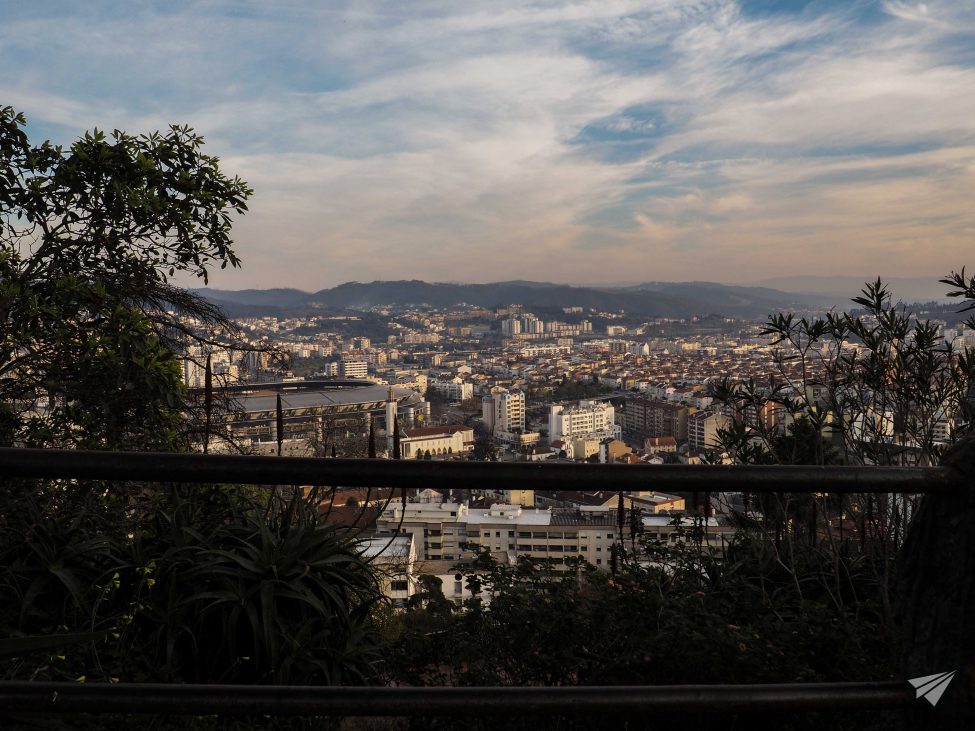
In typical style, I ended my adventure in the city with panoramic views. The view from Penedo da Saudade is a well-known place in Coimbra where many come to relax enjoying the great views of the city. From here you can see mainly the southern part of the city, where most of the local population actually lives. And the garden itself around the panoramic platform is authentic and beautifully decorated, staying here is a real delight for the eyes.
Coimbra may be one of the most important urban centers in Portugal, after Lisbon and Porto. But it is much more than just an administrative place – the city is a point of historical importance for the whole of Europe. Its streets are real historical masterpieces, and its museums are completely new and exciting universes full of science. If you are among the curious travelers, roll up your sleeves and head to Coimbra, and enjoy an unforgettable Portuguese lesson in love and tradition.